
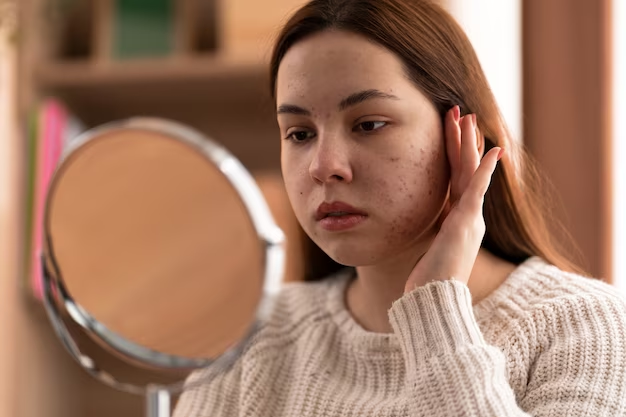
Have you ever wondered why hormonal acne tends to favor one side of your face over the other? It’s a puzzling phenomenon that many people experience, yet the answer isn’t as straightforward as we’d hope. The asymmetric flair-ups are not just a matter of skin health but involve a mix of hormones, external factors, and possibly even lifestyle habits. Let’s dive deeper to uncover why hormonal acne takes a one-sided approach and what that tells us about our skin and health.
Introduction to Hormonal Acne
What is Hormonal Acne?
Hormonal acne, often characterized by deep and painful cysts, primarily affects adults going through hormonal fluctuations. Unlike the typical teenage breakout, hormonal acne can show up in the ‘U-zone’, which includes the jawline and chin, rather than the ‘T-zone’. Experts believe that hormones, specifically androgens, play a key role in the development of this condition by increasing oil production, which leads to clogged pores and thus, acne.
The Asymmetry Mystery: Acne on One Side
Have you ever woken up to find a cluster of pimples on just one side of your face? It’s not uncommon to have unilateral breakouts, and several theories exist to explain this pattern. One hypothesis is that one side of your face may react more significantly to hormonal disruptions due to variations in the distribution of hormone receptors. Another is that daily habits such as phone use, sleeping on a particular side, or even touching our face may contribute to the imbalance.

Factors Contributing to Unilateral Hormonal Acne
The Role of Hormones in Skin Health
Hormones help regulate how our skin behaves. Hormones like androgens stimulate oil glands, and when they’re off-balance, one side of the face might exhibit more oil production and hence more acne.
External Factors Affecting Acne on One Side
- Phone Use: Constantly pressing our phones against our cheeks can introduce bacteria and pressure that can exacerbate acne on one side.
- Sleep Habits: The side you sleep on may accumulate more oil and sweat, coupled with friction from the pillowcase, paving the way for zits to zone in on that area.
Genetic and Lifestyle Considerations
Believe it or not, genetics play their part in acne development and can dictate how sensitive your skin is to hormonal fluctuations. Meanwhile, your lifestyle, from diet to stress levels, can directly or indirectly affect your skin’s condition.
Diagnosing and Treating Hormonal Acne on One Side
Professional Diagnosis
A thorough evaluation by a dermatologist can help in diagnosing hormonal acne. They may assess hormone levels or suggest imaging studies to exclude conditions like PCOS.
Treatment Options for Hormonal Acne
- Topical applications, like retinoids, to reduce inflammation and speed up cell turnover.
- Oral medications to balance hormones or antibiotics to target bacteria.
Home Remedies and Lifestyle Adjustments
Drinking plenty of water, reducing sugar intake, and using non-comedogenic skincare products can all be part of an approach to tackling one-sided acne.
| Skincare Routine Adjustments | How They Help |
|---|---|
| Gentle Cleansing | Reduces skin irritation |
| Non-comedogenic Moisturizers | Prevents clogged pores |
| Regular Exfoliation | Removes dead skin cells |
| Using Clean Pillowcases | Minimizes bacterial transfer |
| Reducing Dairy and Sugar | Lowers inflammation |
| Stress-Relief Techniques | Balances hormones indirectly |
Preventive Measures and Skincare Tips
Routine Skincare for Balanced Complexion
To prevent one-sided acne, apply gentle cleansers and non-comedogenic moisturizers consistently as part of a daily regimen. Use a broad-spectrum sunscreen to protect from UV rays that may worsen acne.
Diet and Nutrition for Hormonal Balance
Foods rich in omega-3 fatty acids, antioxidants, and fibers can help control inflammation and maintain hormonal balance. It’s beneficial to avoid high-glycemic foods and dairy products, which can contribute to breakouts.
- Foods to Include: Leafy greens, berries, fatty fish, and nuts.
- Foods to Avoid: Processed sugars, white bread, milk, and cheese.
Stress Management Techniques
Implementing mindfulness, yoga, or regular exercise can help manage stress levels and reduce the hormonal imbalances that lead to acne.
Understanding Persistent Acne and Seeking Help
When to See a Dermatologist
If your acne remains unresponsive to home care, it’s time to consult a dermatologist. They can offer personalized treatment plans and consider prescription options for more effective results.
Advanced Treatments and Therapies
- Potential Prescriptions: Oral contraceptives, spironolactone, isotretinoin.
- Professional Procedures: Extractions, laser therapies, chemical peels.
If one side of your face is consistently battling with acne, professional guidance combined with lifestyle adjustments can make a significant difference in managing and overcoming this skin issue.
Conclusion
Hormonal acne, particularly when concentrated on one side of the face, can be perplexing. Understanding the variety of contributory factors, and seeking professional advice when necessary, paves the way to clearer skin. With an informed approach to skincare and lifestyle choices, you can tackle this one-sided dilemma.
FAQs
Q1: Can sleeping on one side of my face cause acne?
A1: Yes, sleeping on one side of your face can lead to a build-up of oil, sweat, and pressure, which can contribute to acne. Use clean pillowcases and try to change your sleeping position frequently.
Q2: How can diet affect hormonal acne?
A2: A balanced diet that avoids high-glycemic and dairy foods can reduce the inflammation and hormonal fluctuations that exacerbate acne. Including whole foods with low inflammatory properties is advised.
Q3: Are there any specific ingredients I should look for in skincare products if I have hormonal acne?
A3: Ingredients like salicylic acid, benzoyl peroxide, and retinoids can be beneficial for hormonal acne as they help clear the pores and reduce inflammation.
Q4: Is hormonal acne treatable with over-the-counter products?
A4: Over-the-counter products can be effective for mild hormonal acne. However, more severe cases usually require a dermatologist’s care and prescription medication.
Q5: Can stress really increase acne breakouts?
A5: Stress increases cortisol production, which can in turn increase oil production and inflammation in the skin, leading to acne. Managing stress can help reduce breakouts.