
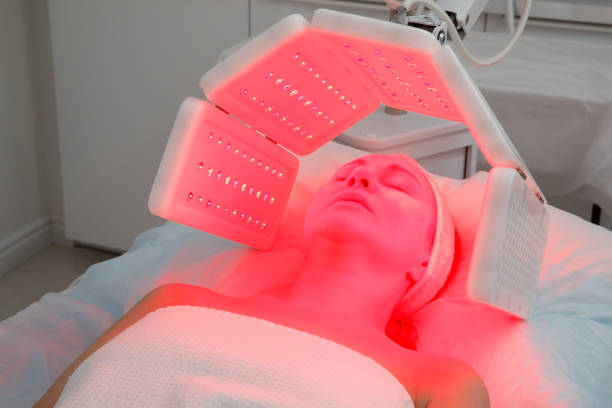
Rosacea, a chronic and perplexing skin condition, has long eluded definitive remedies, leaving many to contend with its pervasive redness and irritation. However, in a breakthrough that lights up the faces of those affected, at-home light therapy, particularly led light therapy for skin, emerges as a beacon of hope. This innovative treatment, harnessing the potential of specific light wavelengths, stands out as a gentle yet effective ally in the battle against the flushing skirmishes of rosacea. At its core, light therapy promises to reduce inflammation and improve skin appearance, offering a respite right from the comfort of one’s home.
Understanding Rosacea and Its Impact on Skin Health
What is Rosacea?
Rosacea is a dermatological enigma that manifests as a persistent redness on the face, often characterized by small, red, pus-filled bumps. Its onset is usually after age 30, and it typically affects the nose, cheeks, chin, and forehead. While the exact cause of rosacea remains shrouded in mystery, various factors, such as genetics, environmental triggers, and vascular irregularities, are thought to contribute to its development.
Subtypes and Symptoms
Four recognized subtypes of rosacea, each with its peculiarities, have been identified: Erythematotelangiectatic rosacea, Papulopustular rosacea, Phymatous rosacea, and Ocular rosacea. Symptoms can range from frequent flushing to visible blood vessels and from thickened skin to eye discomfort. Each subtype requires a tailored approach – one size does not fit all when managing rosacea’s symptoms.
Causes and Triggers
The flare-ups of rosacea can often be attributed to certain triggers that differ from one individual to another. Common culprits include sunlight, stress, hot or cold weather, spicy foods, alcohol, and certain skin care products. Identifying and avoiding personal triggers is a crucial step toward mitigating the condition’s effects.
The Psychological and Emotional Toll of Rosacea
The red badge of rosacea isn’t just skin deep; it carries a heavy emotional burden, too. The condition can affect self-esteem and social interactions, leading to feelings of embarrassment and social anxiety. For some, this translates into a withdrawal from social settings and a diminished quality of life.

The Science Behind Light Therapy for Rosacea
Overview of Light Therapy
At its essence, light therapy, specifically what is led light therapy, involves the use of specific wavelengths of light to penetrate the skin’s layers, inciting therapeutic effects. It operates on the principle that certain light frequencies can calm inflammation and stimulate cellular repair without damaging the skin’s surface.
Types of Light Therapy Used for Rosacea
There are primarily two kinds of led face treatments employed in the quest to relieve rosacea symptoms:
- LED Therapy (Light Emitting Diode): This method utilizes long wavelengths that can penetrate deep into the skin, aiming to reduce inflammation and promote healing. LED therapy has risen in popularity, owing to its ease of use and effectiveness in treating various skin conditions.
- Intense Pulsed Light (IPL): A more intense treatment, IPL uses multiple wavelengths to address both the redness and the visible blood vessels associated with rosacea.
| LED Therapy | IPL |
|---|---|
| Utilizes single, precise wavelengths | Employs a broad spectrum of light |
| Targets deeper skin layers | Addresses both redness and visible blood vessels |
| Typically lower intensity | Usually a higher intensity |
| Minimal to no downtime after treatment | May require some downtime |
| Considered a type of led light therapy for skin | More aggressive but with broader coverage |
The Efficacy of Light Therapy in Treating Rosacea
Clinical studies bring forth a glimmering verdict: light therapy, particularly when it comes to led light therapy for skin conditions like rosacea, stands as a compelling treatment. LED therapy, in particular, has shown promise in reducing the pervasive redness and inflammation commonly associated with this skin ailment. IPL, while more invasive, has its own success in diminishing the visibly tangled web of blood vessels and persistent redness. When it comes to light therapy, the science shines brightly, offering substantial hope for those seeking a reprieve from rosacea’s relentless grip.
Choosing the Right At-Home Light Therapy Device
What to Look for in an At-Home Device
Navigating the market for an at-home light therapy device can be like finding a needle in a haystack—with so many options, knowing which one will best cater to your needs is key. It’s crucial to look for devices with the right wavelengths, as this determines the depth of penetration and the type of effect it will have on the skin. For rosacea, wavelengths in the red and infrared spectrum have shown the most promise. Additionally, the intensity of the light plays a significant role; while a stronger light may provide quicker results, it also comes with an increased risk for side effects. Therefore, it should be FDA-approved, ensuring it’s safe for use. Lastly, consider the design of the device and its ease of use—ergonomics can be just as important as functionality when it comes to consistent at-home treatments.
Top Performing At-Home Light Therapy Devices for Rosacea
When considering led face treatmentsfor rosacea, one must seek out the top-performing products that align well with their lifestyle and skin needs. Here are a few devices that have garnered favorable reviews from users:
- The Rosacea Rescue LED Mask: Known for its comfortable design and targeted light therapy.
- The Gentle Glow LED Wand: Portable and precise, this wand allows you to focus on problem areas.
Pros and cons of these devices can shape your decision:
- Pros:
- Targeted therapy with specific wavelengths beneficial for rosacea
- Convenience of at-home treatment
- Non-invasive and usually pain-free
- Cons:
- Initial cost may be high
- Requires consistent usage over time to maintain results
- May not be as powerful as in-office treatments
Tips on How to Use At-Home Light Therapy Devices Effectively
To maximize the benefits of your at-home light therapy sessions, consistency is crucial. Create a dedicated routine that fits your schedule and stick to it. Start with clean skin, free from makeup and lotions that could reflect the light, affecting its efficacy. During each session, follow the device’s instructions precisely for time and distance from the skin. Safety first—never look directly into the lights and consider using safety goggles if recommended. Lastly, patience is a virtue; results may take time to become noticeable, and improvements will only follow a committed and sustained approach.

Integrating Light Therapy into Your Rosacea Skin Care Routine
Best Practices Before, During, and After Light Therapy
The synergy between light therapy and a sound skincare routine is vital for managing rosacea effectively. Before starting light therapy, ensure your skin is clean and dry to enhance the light’s penetration. During treatment, relax and let the device work its magic; this should be a time of tranquility. After each session, nourish your skin with a gentle moisturizer, and don’t forget the sunscreen; protecting against UV damage is essential, especially when your skin is potentially more sensitive from the light therapy.
Frequency of Use
How often should you use red light therapy on your face? The consensus often lands on a routine of about three to five times a week, but as always, tailor the frequency to your skin’s tolerance and response. Regular assessments will determine if you should dial up the frequency or scale it back.
Post-therapy Skin Care
Post-therapy care involves soothing and protecting the skin. Look for products with anti-inflammatory properties, such as niacinamide or aloe vera, to enhance the calming effects. And, as any rosacea guide will tell you, steer clear of any ingredients that might provoke irritation.
Complementary Treatments and Lifestyle Adjustments
When it comes to rosacea, light therapy shouldn’t fly solo. Complementary treatments, ranging from topical creams to oral medications, may be suggested by your dermatologist. Lifestyle adjustments also come into play; a diet rich in anti-inflammatory foods and adequate hydration can support your skin’s health. Mindful practices like stress management and exercise can also alleviate some of rosacea’s triggers.
Real User Experiences with At-Home Light Therapy for Rosacea
Testimonials and Case Studies
Countless individuals living with rosacea have found solace in light therapy treatments. Online forums and skincare groups are bustling with positive testimonials sharing before-and-after photos and the life-changing impact on their skin. Of course, skepticism exists, and it’s important to acknowledge that not every experience is a successful one. However, the wealth of positive outcomes lends credence to the potential benefits of these therapies.
Addressing Concerns and Skepticism
It’s natural to approach new treatments with caution, especially when dealing with a finicky condition like rosacea. Asking questions, seeking advice from healthcare professionals, and doing thorough research are prudent steps to take. Remember, everyone’s skin is unique, and results can vary—it’s about finding what works for your individual complexion.
Wrapping it Up: Is At-Home Light Therapy Right for You?
We’ve illuminated the potential of at-home light therapy in managing rosacea, from understanding the basics to diving into real-world applications. Now, it’s time for reflection—is this the right path for you? Review the science, contemplate the device options, and consider your lifestyle. It’s a personal decision, one best made in consultation with a trusted dermatologist.
Overall
LED light therapy and IPL treatments represent a promising horizon for individuals battling rosacea, offering a convenient and non-invasive option to control this chronic skin condition. With the right device, a consistent routine, and complementary skincare practices, there’s a real possibility of seeing improvement in the skin’s appearance and a reduction in flare-ups. The journey to clearer skin can be filled with trial and error, but for many, the light at the end of the tunnel shines red and bright.
FAQ Section
Five Unique FAQs on At-Home Light Therapy for Rosacea
1. How long does it usually take to see results from LED light therapy for rosacea?
Results can vary widely among individuals, but with consistent treatment, some may observe improvements within a few weeks, while others might take a couple of months to notice significant changes.
2. Are there any side effects associated with at-home light therapy for rosacea?
Side effects are generally minimal but may include temporary redness, increased skin sensitivity, or mild irritation. Always use the device as directed and consult with a healthcare provider if you have concerns.
3. Can I use light therapy in conjunction with other rosacea treatments?
Yes, light therapy can often be used alongside other treatments, but it’s essential to get guidance from your dermatologist to ensure compatibility and avoid any potential adverse reactions.
4. Will at-home light therapy cure my rosacea?
While light therapy can greatly alleviate symptoms and improve skin appearance, rosacea is a chronic condition with no known cure. It’s about managing symptoms and flare-ups over time.
5. Is light therapy safe for all skin types, including sensitive skin?
Light therapy is generally considered safe for all skin types. However, those with particularly sensitive skin should proceed cautiously, start with lower intensity sessions, and work their way up as tolerated. Consulting with a medical professional is always recommended before starting any new treatment.