
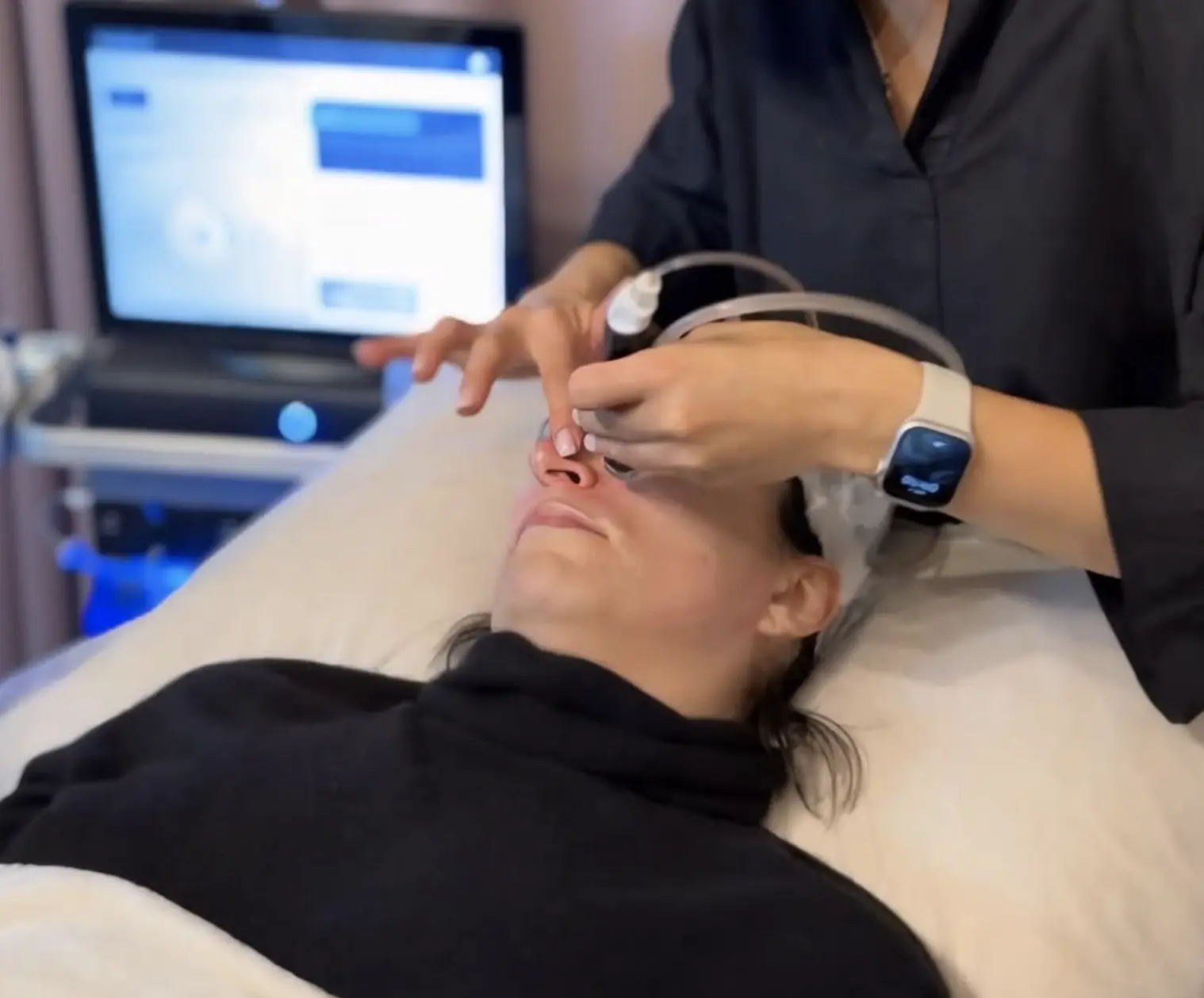
You probably showed up here because you’ve been wondering if a hydrafacial can actually get rid of those pesky dark spots, or does Hydrafacial remove pigmentation? Well, I’ll give you the straight answer: yes, a hydrafacial really can knock off some of that unwanted pigmentation – mainly the kind that comes from just too much sun exposure, clogged pores and uneven skin or because your skin cell turnover is all out of whack. But don’t get your hopes up – it’s no magic wand that makes everything go away overnight, and for deeper pigment, you’re still at the mercy of your skin type, how much melanin is going on and what your skin health is like overall. Many new clients visit The Facial Hub after their first patch of stubborn pigment won’t fade with home care alone, and they’re always surprised by how gentle, hydrating treatments can make such a difference.
How This Treatment Improves Tone
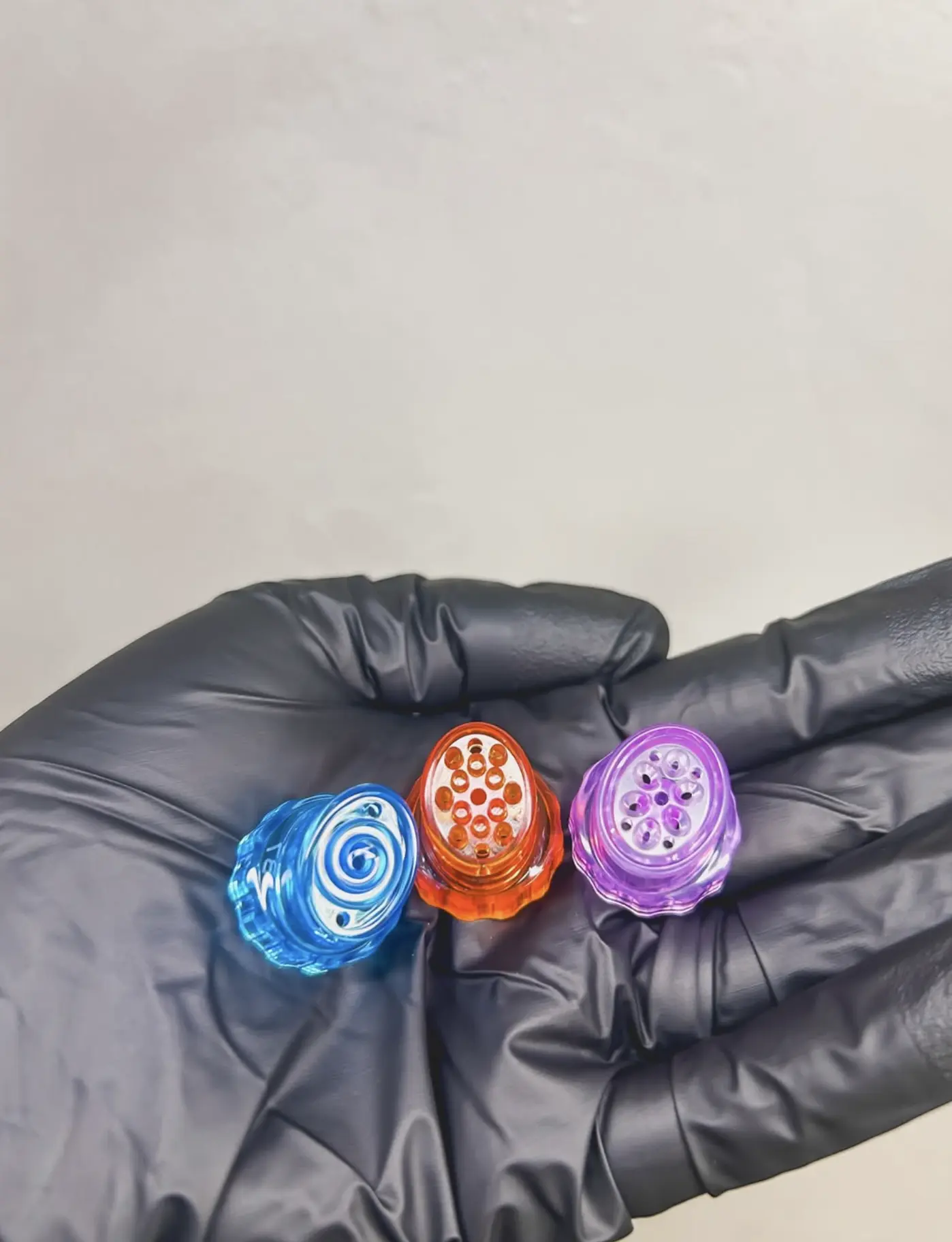
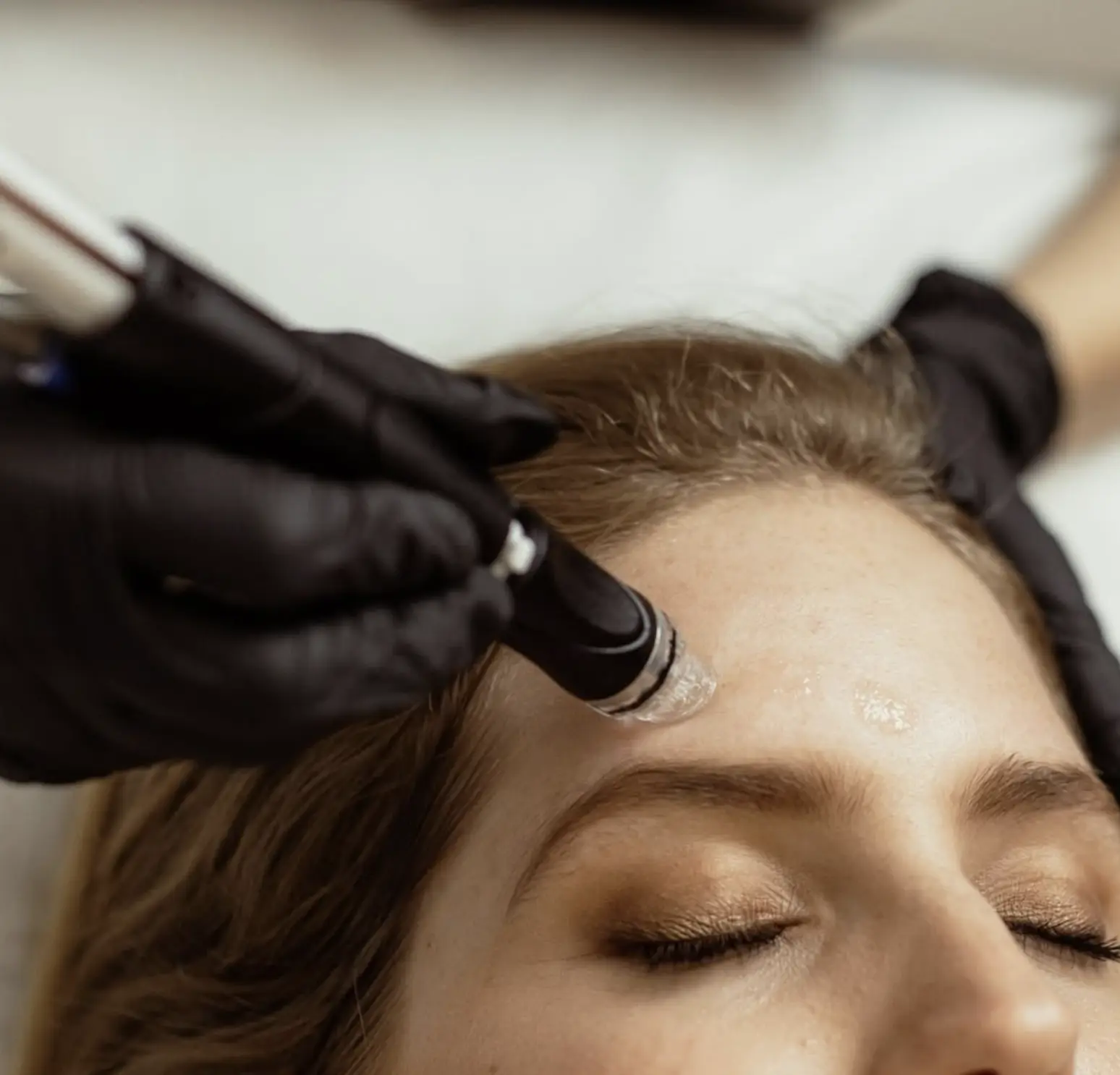
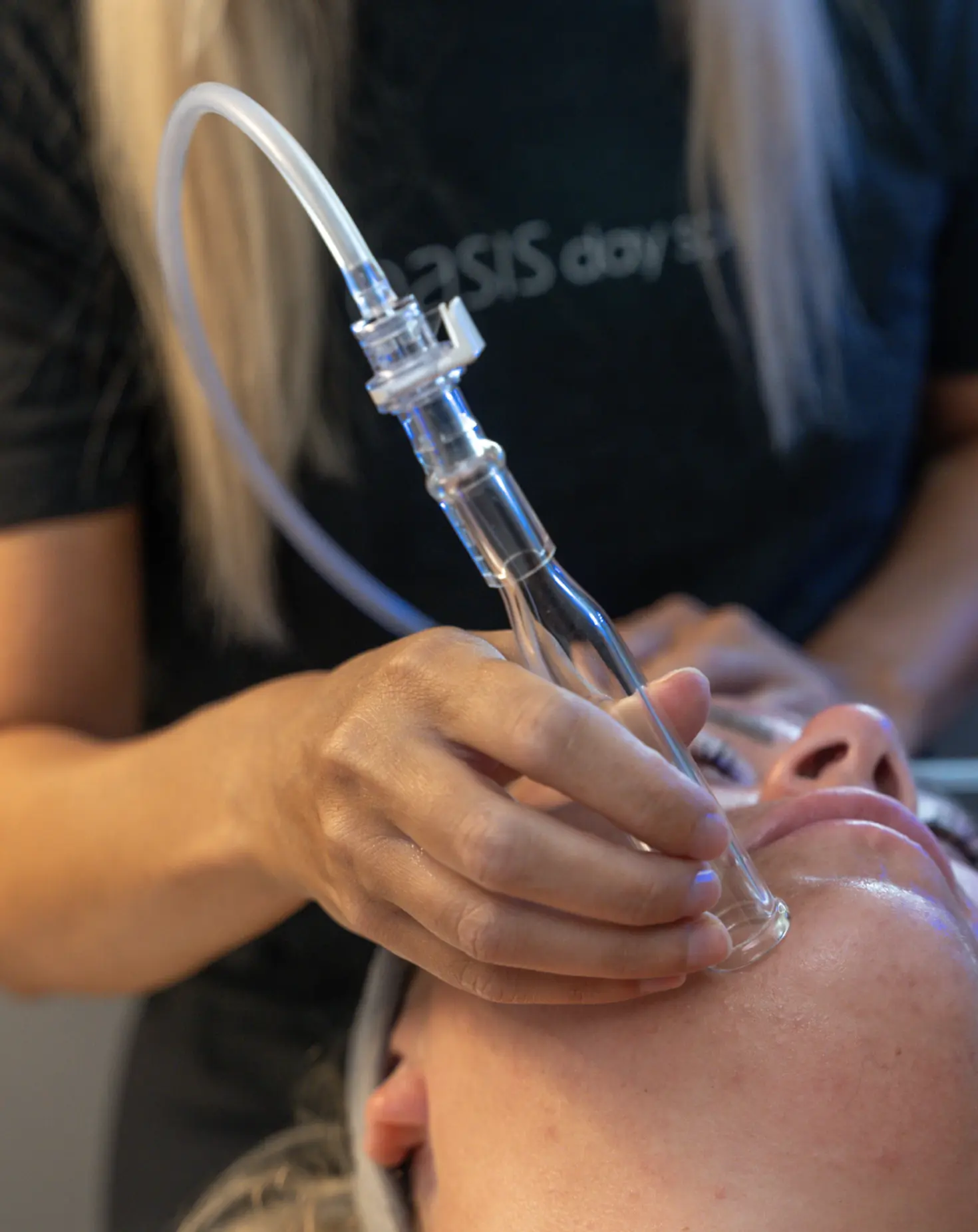
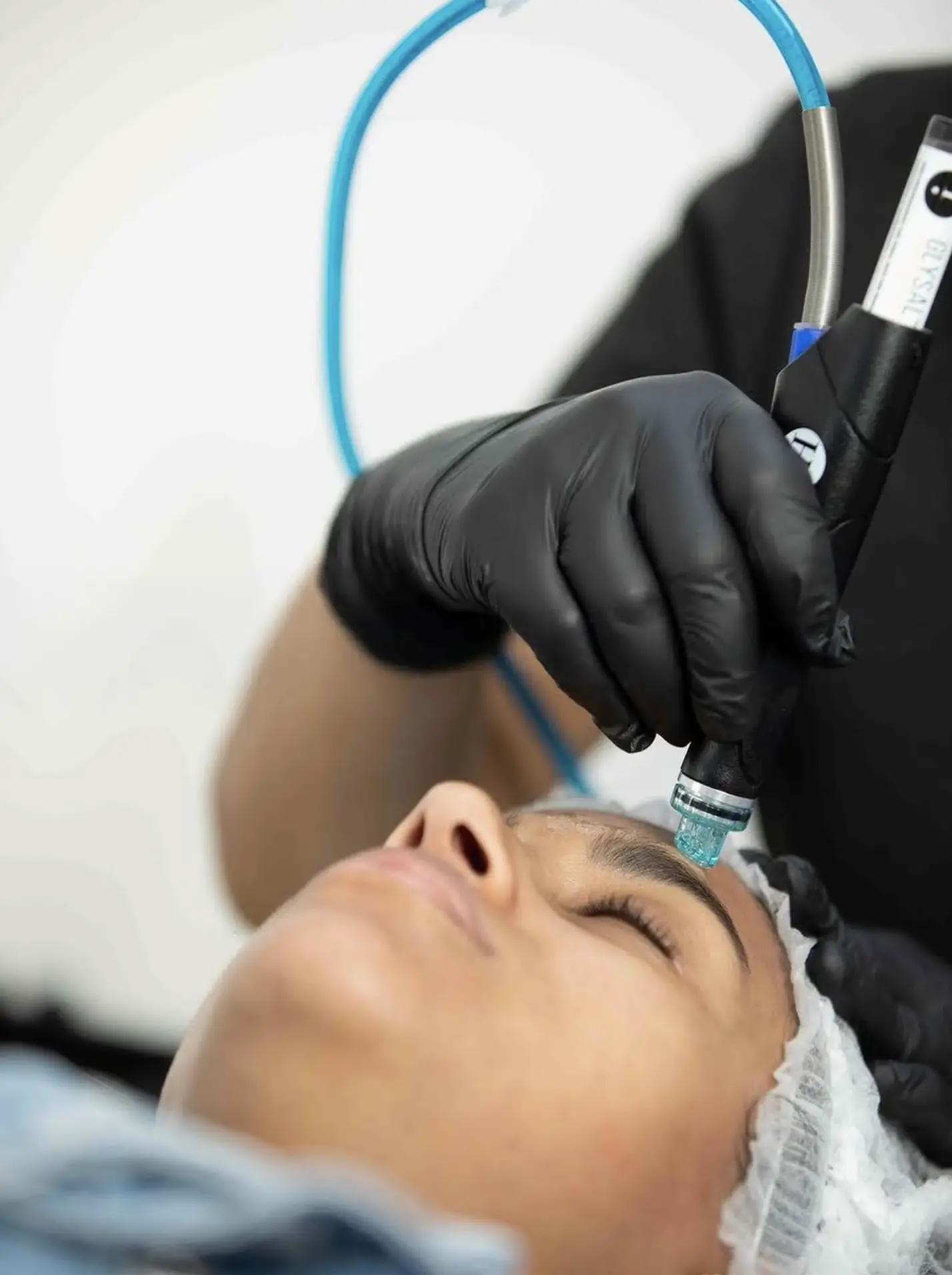
Many people call Hydrafacial a brightening facial, but it is actually a multi-step skin-rejuvenation treatment powered by advanced vortex technology. The deep cleanse part removes grime, the exfoliation part whisks away dull skin, and the serum infusion delivers active ingredients like vitamin C, hyaluronic acid, botanicals, and a wealth of antioxidant goodness. When our clients come in for a hydrafacial at The Facial Hub, they can see straight away why this is so much kinder to the skin than some of those old-school chemical peels that can just shred your skin – or even someone trying to buff it into submission with exfoliating gloves.
If you’ve ever found yourself wondering why sun damage and UV rays seem to make your skin tone look so wonky in Brisbane’s heat and humidity, it’s because hydrafacial is basically like a refreshing reboot – it gets rid of all the dead skin on the surface, calms down the inflammation that makes things look worse, and hydrates your skin without irritating it.
Types Of Skin Discolouration Respond Best
The thing is, different sorts of pigment are at different depths – so your skin type, your history of sun exposure, any hormonal changes you may be going through, and what kind of skin concerns you’re dealing with are all pretty important. When someone comes to The Facial Hub, I assess their skin tone, sun exposure history, any hormonal changes, and whether their pigmentation is due to post-acne scarring, melasma, or other sun damage.
Best Results For:
- Sun damage and age spots
- Uneven tone caused by dehydration
- Post-inflammatory hyperpigmentation
- Post-acne pigmentation caused by breakouts
- Mild melasma is stable
Minimal Results For:
- Deep melasma
- Hormonal pigment from ongoing hormonal shifts
- Long-standing dermal pigment
- Pigmentation combined with facial rashes or active inflammatory conditions
What Your Appointment Actually Feels Like
We’re aiming for a hydrafacial focused on skin surface renewal, hydration, and calming inflammation that triggers melanin production. Clients often say it’s just like a deep clean and polish with no downtime at all – some love to combine it with dermaplaning at Cosmetic Tattooing Brisbane to get a super-smooth canvas before they do the serum infusion part, which is especially good for people who’ve got some rough texture or dullness that just makes their pigmentation look worse.
Inside The Treatment:
- Deep cleanse to remove all that sunscreen, pollution, and excess oil from your skin.
- Exfoliating with some alpha-hydroxy acids to get rid of all the dull, pigment-clogged bits.
- Vortex extraction using a vortex tip to clear any pores that might be congested and exacerbate the issue.
- Serum infusion to deliver the brightening, hydrating, and calming benefits your skin needs.
- LED Light Therapy to reduce that inflammation and get some collagen going.
- And if you want to add a bit of lymphatic drainage to reduce puffiness and improve blood flow.
So the combination of all that does a really great job of softening that pigmentation and just generally making your skin look way healthier and more radiant.
How Many Sessions Do You Need
Consistent hydrafacial treatments really add up – plus, the more you do it, the better your skin will look. Sun damage, ageing, and acne are all major contributors to uneven tone, but a hydrafacial is gentle enough for even sensitive skin. As for stubborn pigment, it typically requires a few sessions.
Typical Treatment Plan
- For mild pigment: 3 sessions spaced about 4 weeks apart will do the trick
- Moderate pigment: you’re looking at 4 to 6 sessions
- Melasma (that pesky hormonal stuff): slow and steady wins the race – you’ll need a 6-session program or more
- And for maintenance: get your hydrafacial every 6 to 8 weeks
Studies across the industry show that regular hydrafacial and daily skincare can brighten uneven tone by 20-45% in just 12 weeks (as long as you’re still applying SPF every day).
Why Uneven Tone Is So Stubborn
Living in Brisbane, with its scorching sun and humidity, is a recipe for uneven tone. UV rays, hormonal fluctuations, and the normal ageing process are all just waiting to trigger more pigment – even if you’ve managed to lighten it up before.
But hydrafacial does help regulate some of these triggers by soothing the skin, reducing inflammation and keeping things hydrated – just don’t forget to keep slapping on that sunscreen every day.
Ingredients That Boost Brightness
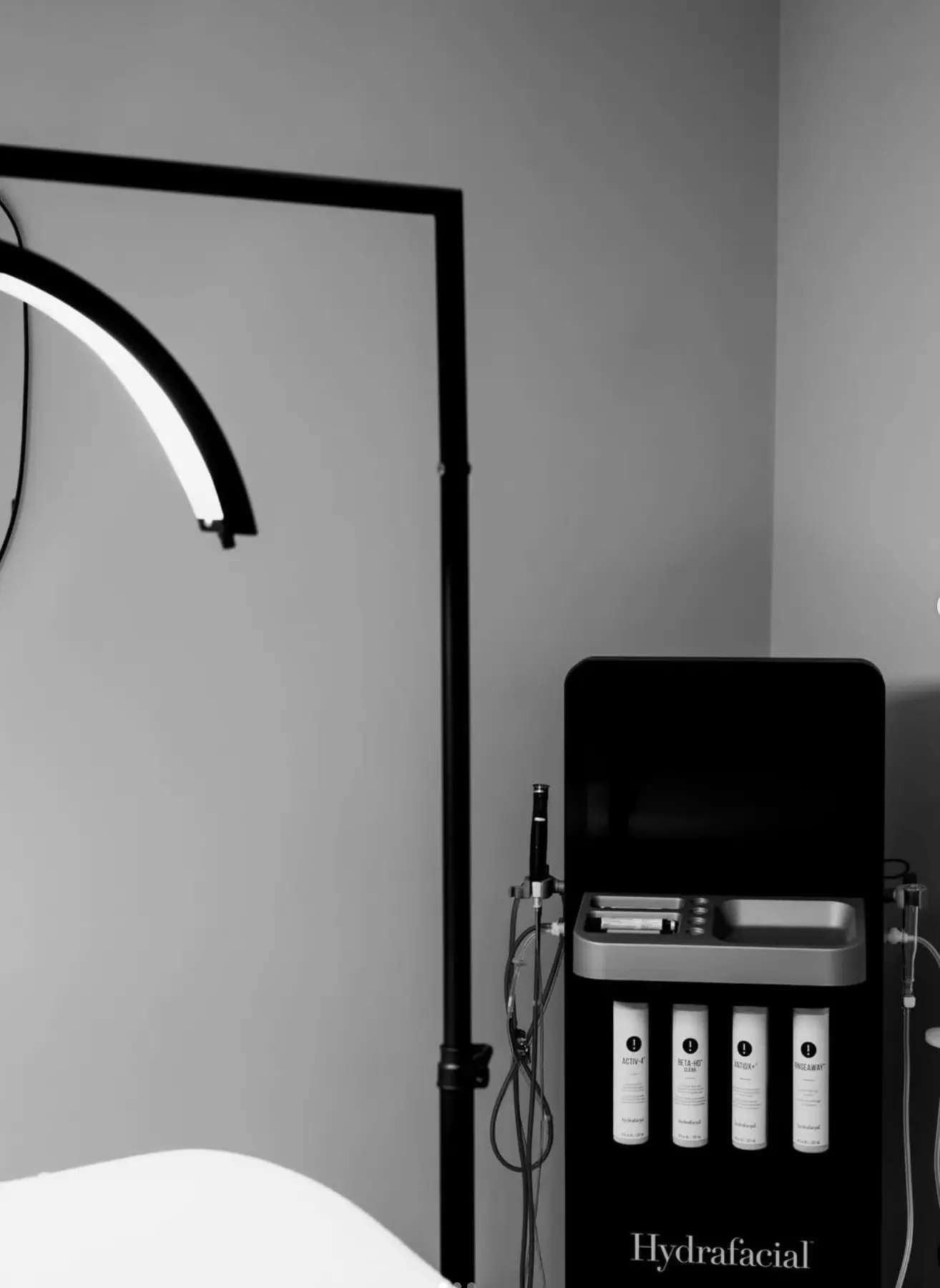
Many hydrafacial boosters contain effective active ingredients that brighten without stripping the skin.
Common Pigmentation-Focused Ingredients
- Vitamin C for antioxidant protection
- Hyaluronic acid for hydration and plumpness
- Alpha-hydroxy acids to refine texture and pore size
- Magnesium peptides for barrier repair
- Botanical ingredients (red algae extract, horse chestnut seed extract) to calm inflammation
- Medical-grade serums containing peptides and brightening complexes
How To Prepare For Best Results
Before your treatment, your skin needs to be in good condition. That means:
- Giving your retinol a rest for a few days – don’t want to irritate the skin
- No harsh scrubs or chemical peels, your skin needs a break
- Make sure you’re using some hydrating serums with hyaluronic acid
- Keep that sunscreen on your skin – no exceptions
- And don’t let any inflammation go unchecked – too much of that and your skin will be pushing out pigment like crazy
By doing so, we can ensure the treatment works with your skin rather than against it.
Aftercare That Keeps Your Results On Track
Don’t think that your skin is done transforming once the hydrafacial is over – it’s an ongoing process. In places like Queensland with all the sun, pigment will just keep coming back.
Post-Hydrafacial Essentials
- Daily SPF 50
- Avoiding direct sunlight for 3–5 days
- Keeping skin hydrated to avoid dullness
- Continuing vitamin C or peptide serums
- Preventing flare-ups in acne-prone skin to reduce PIH
Home care is a big part of the journey – don’t forget it.
When A Combined Approach Works Better
Hydrafacial does a fantastic job on surface-level pigment, but when it comes to dealing with deeper discolouration, we like to use a combination of treatments that really push the benefits:
- LED Light Therapy – to tackle inflammation and pigmentation at the same time
- Light therapy for inflammation – because you can never tackle pigmentation if the underlying inflammation is still going on
- Lactic acid or AHA peels – to really get into the deeper layers of the skin and break down those stubborn pigmentation spots
- Pigment-targeted booster formula upgrades – a bit of extra oomph to really get to the root of the problem
- Laser treatment for the really tough cases – the ones that just won’t budge
- Getting your internal house in order – making sure your hormones are stable, your triggers are under control, and you’re not putting your skin under unnecessary stress
Pigment has layers, and sometimes a layered approach is required to effectively address it.
Final Reflection — And A Warm Invitation
Pigmentation can be a real emotional rollercoaster, especially if you’ve tried treatments in the past that have left your skin feeling raw and irritated. But HydraFacial is here to offer a gentler way forward – a way to support even the most sensitive skin types through hydration, renewal, and calming down the melanin activity.
If you’re not sure whether HydraFacial is the right approach for your pigmentation, come to The Facial Hub in Brisbane, and we’ll discuss it. Your skin deserves a personalised plan that takes into account your lifestyle, skin type, and your goals.
FAQ
Does Hydrafacial permanently remove pigmentation?
No — pigmentation can return with UV exposure or inflammation. HydraFacial improves and manages it, but long-term results depend on sun protection and consistent skin health routines.
Is Hydrafacial safe for melasma?
Yes, but only when melasma is stable. We avoid overstimulation and focus on calming ingredients and LED Light Therapy.
Can Hydrafacial help acne-prone skin with dark marks?
Absolutely. Clearing clogged pores, reducing inflammation, and smoothing texture all help fade post-acne pigmentation.
Does Hydrafacial work for sensitive skin?
Yes — the treatment is gentle, customisable, and suitable for sensitive skin types when the correct booster formula is used.
How soon will I see a difference in pigmentation?
Most clients see brighter skin after one session, but meaningful pigmentation changes appear around the 3rd treatment, especially when combined with antioxidant protection and SPF.